




Living with incontinence: managing the physical, emotional, and psychological aspects
Living with incontinence: managing the physical, emotional, and psychological aspects
Incontinence affects the body, emotions, and mind. Discover how to live better every day, support a loved one, and regain peace of mind and confidence.
Introduction
Incontinence can be difficult to live with. It affects many people, both men and women, and is not limited to physical aspects. It can influence self-confidence , social relationships , and emotional well-being .
Whether you are directly affected or helping a loved one, understanding the different issues allows you to better manage the situation and regain serenity and comfort on a daily basis.
The physical challenges
The physical impacts of incontinence are tangible:
-
Skin irritation and discomfort : prolonged humidity can cause redness or itching.
-
Disrupted sleep : Frequent awakenings during the night can lead to fatigue and lack of energy.
-
Limitations on activities : some avoid sports, outings or travel for fear of leakage.
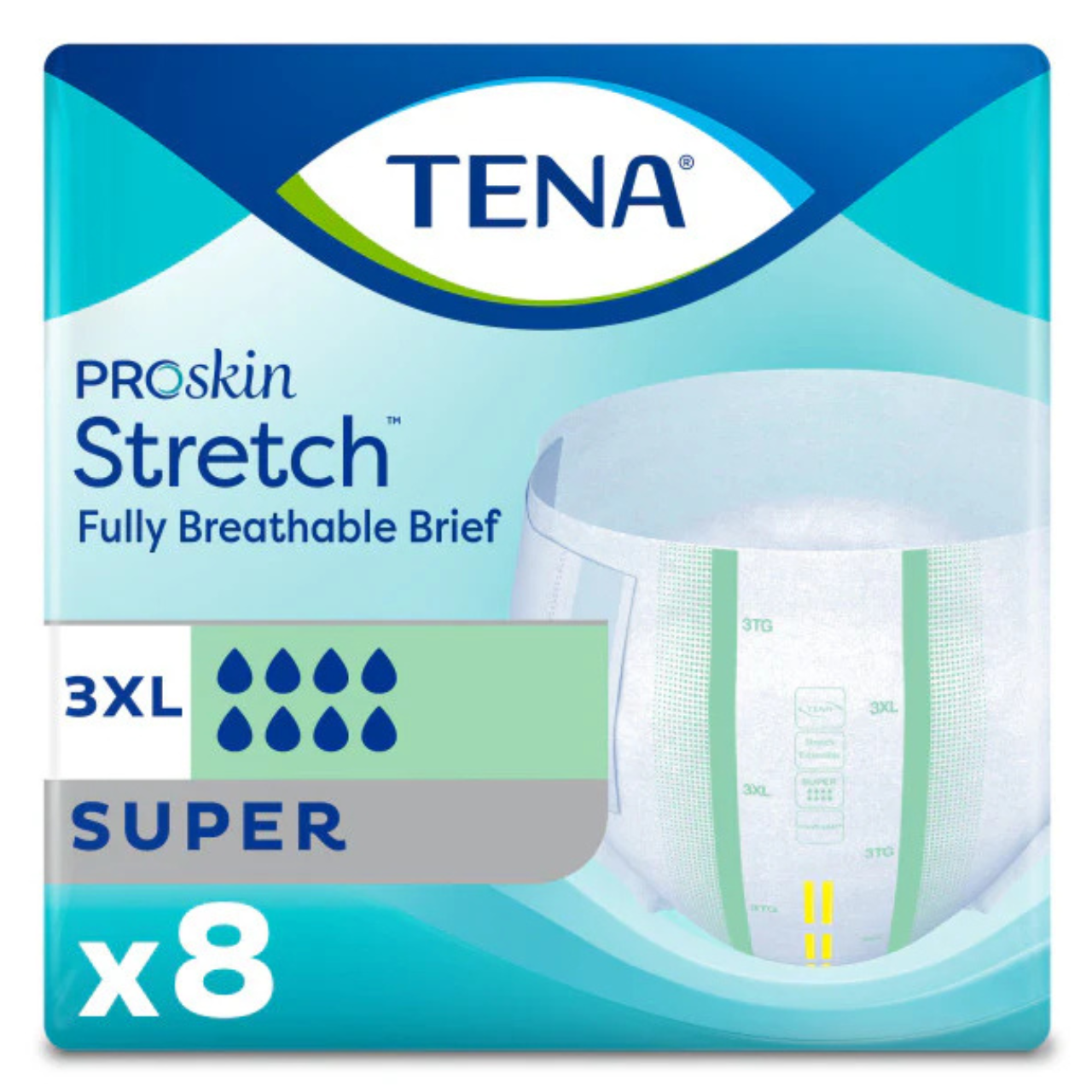
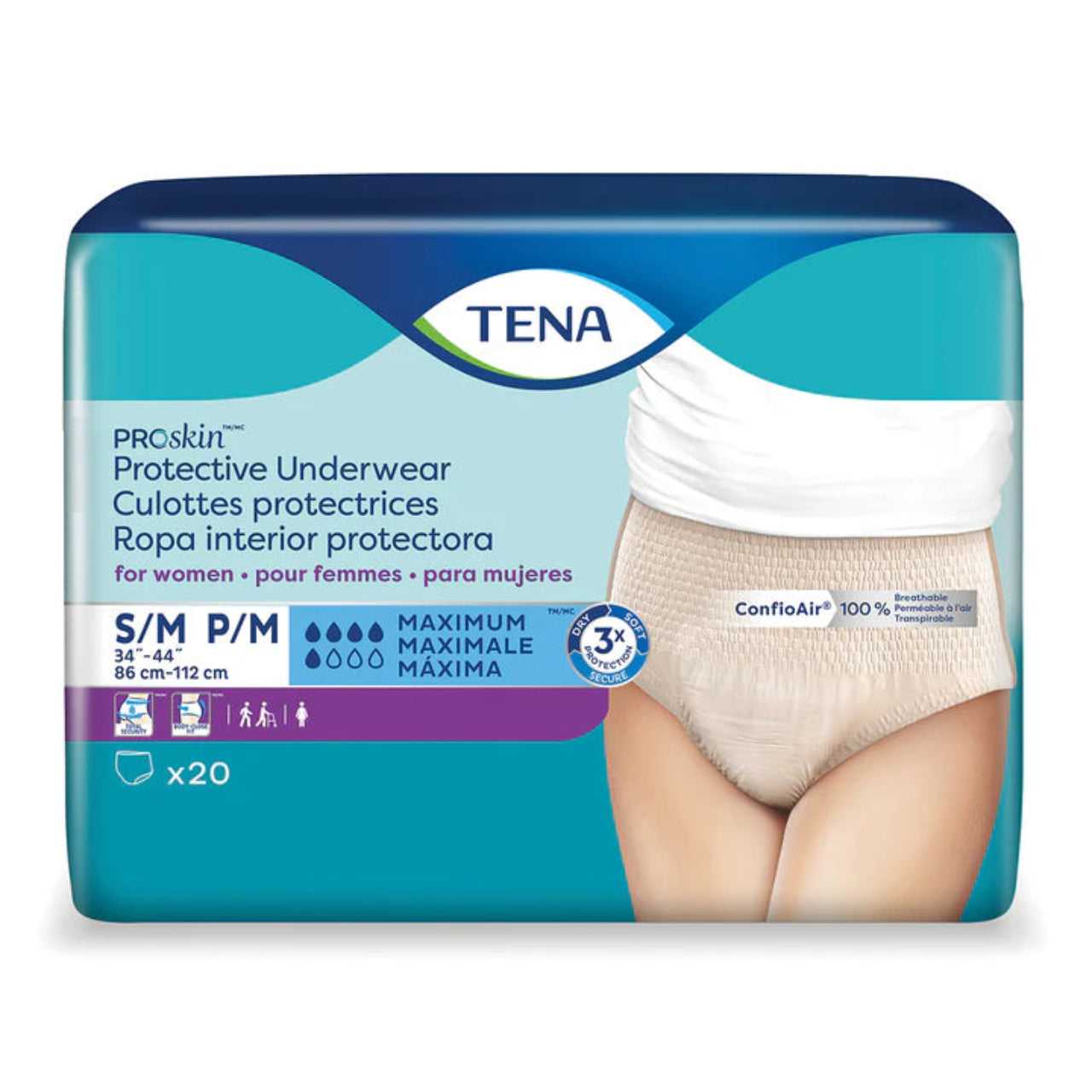
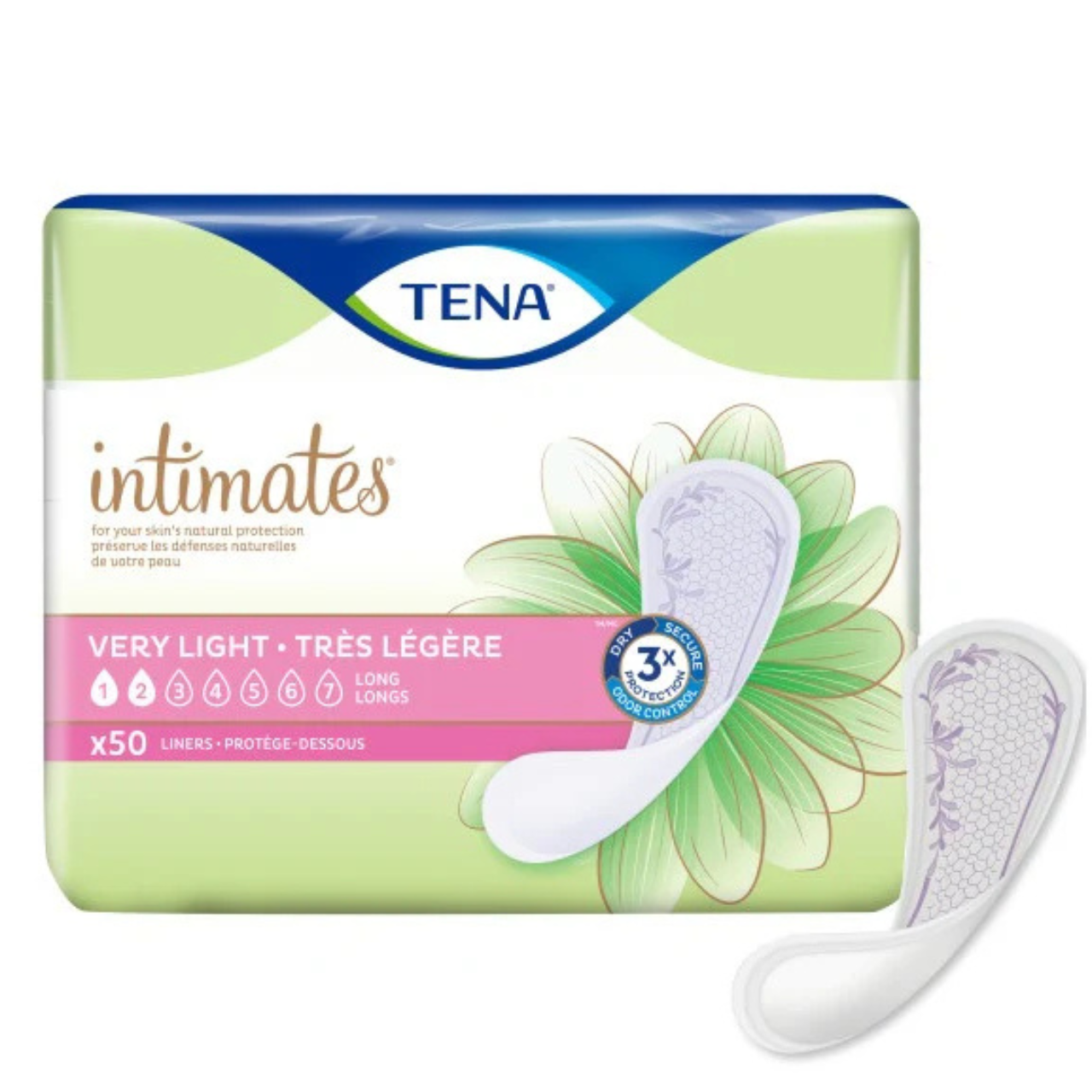
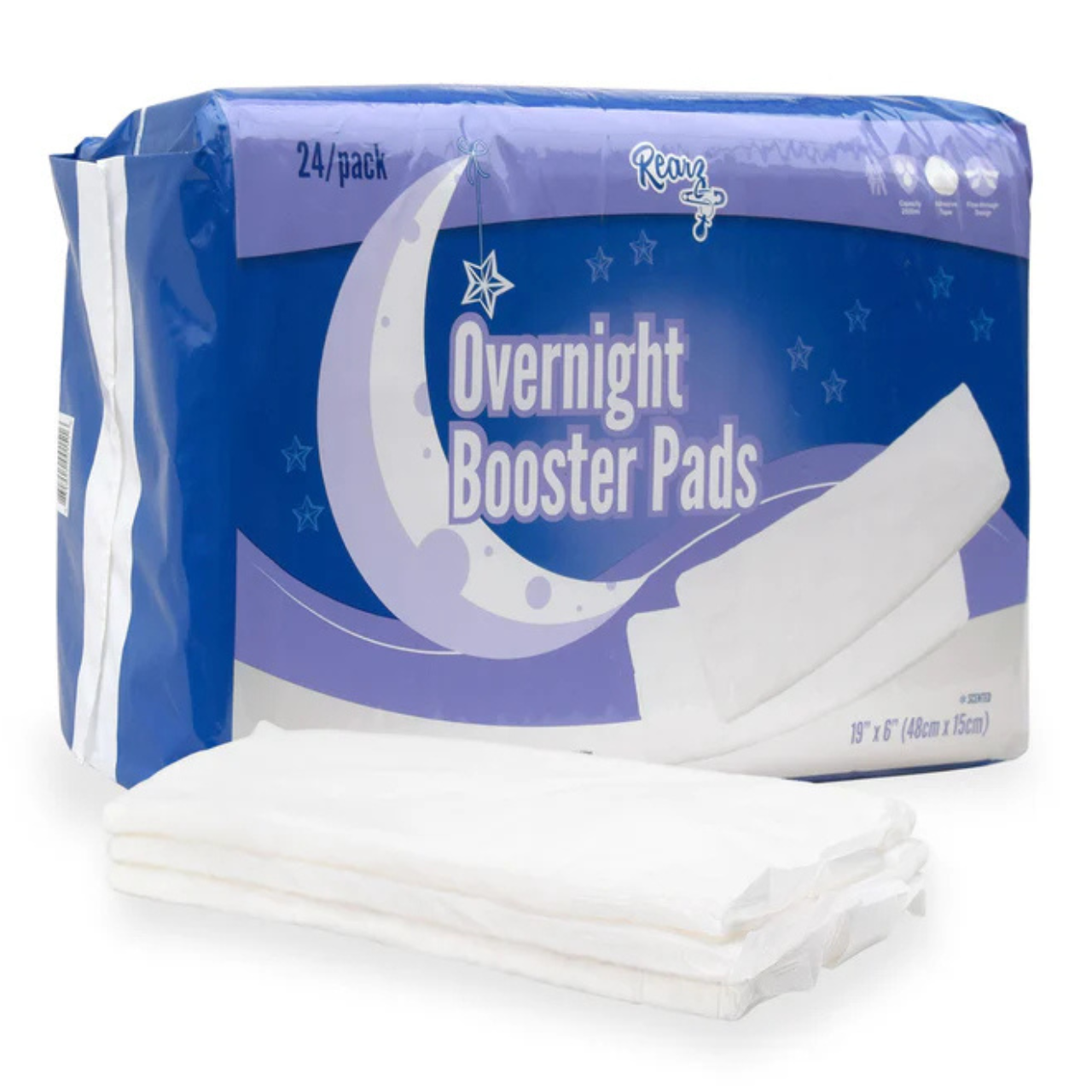
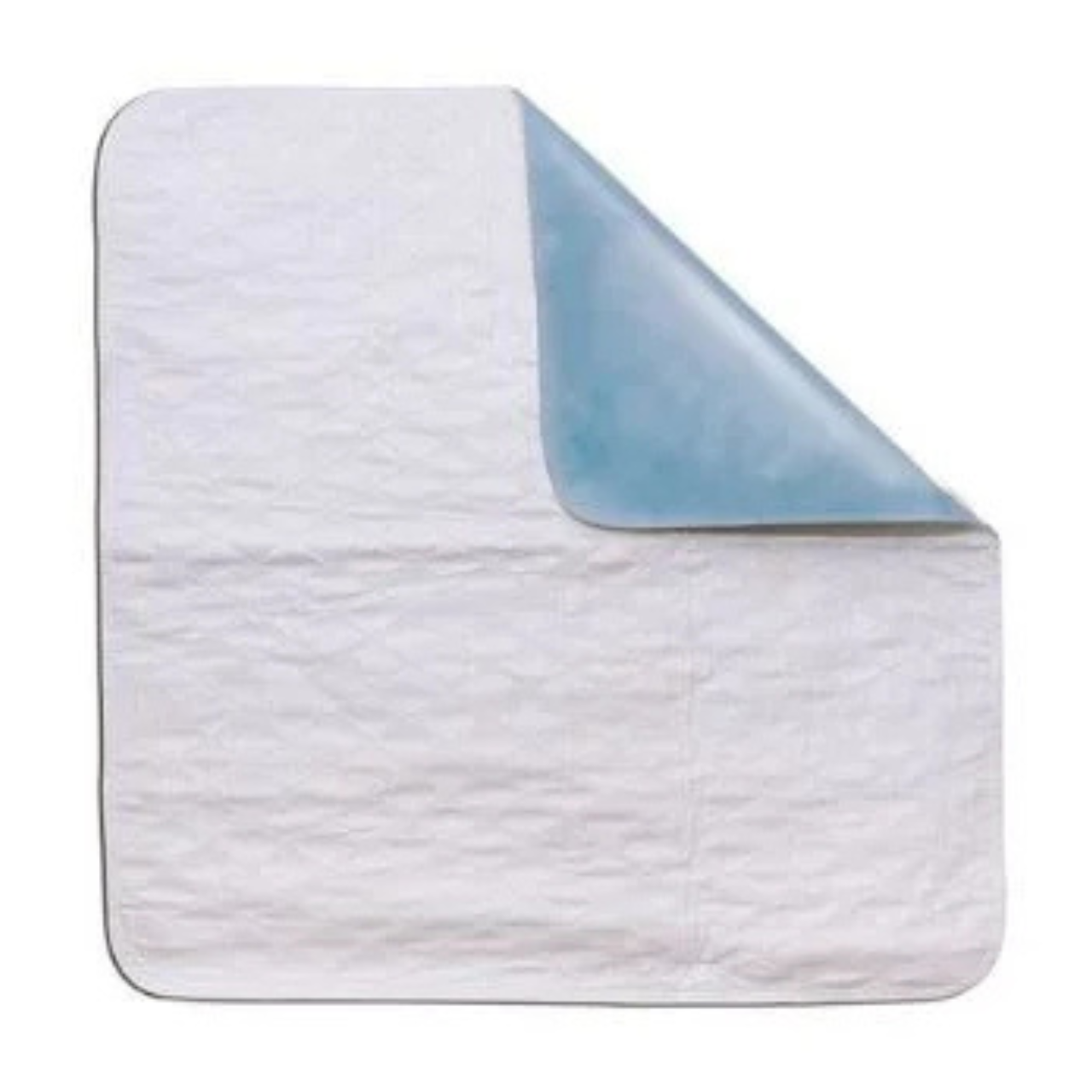
Reliable and comfortable protection, such as pads, absorbent underwear or adult diapers , helps to reduce these inconveniences and preserve health and mobility.
The emotional stakes
Living with incontinence can profoundly affect one's emotional state:
-
Shame or embarrassment : many hide their symptoms, even from those around them.
-
Frustration or anger : the loss of control over one's body can be difficult to accept.
-
Social isolation : fear of an accident in public can limit outings and interactions.
Recognizing these emotions and talking about them, whether with a professional or a trusted loved one, is essential to regaining confidence and serenity .
The psychological stakes
The psychological aspects are often underestimated, but they are essential:
-
Stress and anxiety : the fear of leaks can become overwhelming.
-
Loss of confidence or depression : feeling "different" or limited can weigh on self-esteem.
-
Mental load of caregivers : supporting a loved one requires patience, organization and energy.
Psychological support, support groups and discussions with a professional help to defuse the situation and regain a sense of control .
Tips for better everyday living
-
Accept the situation : incontinence is common and normal, there are concrete solutions.
-
Equip yourself properly : suitable protection such as absorbent pads or underwear to remain comfortable and discreet.
-
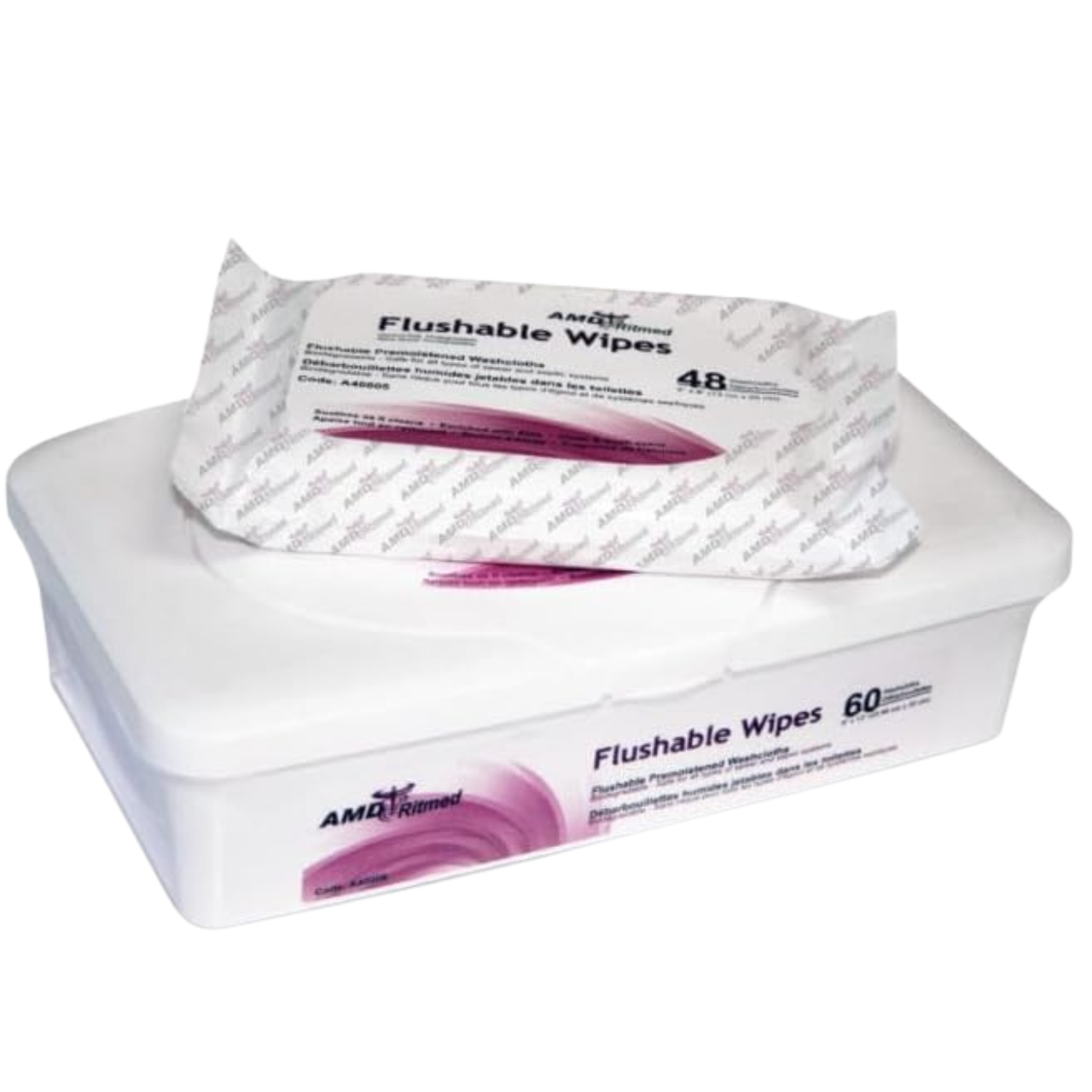
Maintain good hygiene : gentle cleansing and skin care to avoid irritation and discomfort.
-
Expressing your emotions : talking openly with a loved one, a professional, or a support group.
-
Planning outings : keep a small, discreet kit with wipes and pads to reduce stress.
-
Taking care of caregivers : those who support a loved one must also take care of themselves and find support.
Providing compassionate support to a loved one
If you help someone:
-
Listen without judging : patience is essential, as incontinence can be a source of embarrassment.
-
Encourage autonomy : help manage routines and choose protective products without infantilizing them.
-
Provide emotional support : remind them that the situation is common and that reliable solutions exist.
Living with serenity
Incontinence doesn't have to dictate your life. With preparation, adapted routines, and support , it's possible to remain active, confident, and serene .
Although incontinence can be frustrating, it is possible to:
-
Maintaining a fulfilling social life
-
Preserving physical and emotional well-being
-
Regaining self-confidence
The important thing is not to feel alone , to talk about your difficulties and to find solutions that offer comfort and safety , such as the protective products and accessories available on Sanipremium.ca
Conclusion
Incontinence affects the body, emotions, and mind. By recognizing these issues , adopting simple habits and appropriate protection , and relying on the support of loved ones and professionals , it is possible to live fully and serenely .
- Choosing a selection results in a full page refresh.


